LOGISTICS & DISTRIBUTION

In just two days the Logistics & Distribution exhibition of Madrid has exceeded our expectations in terms of visitors. The high turnout allowed us to know many potential customers and consolidate the relationship with the existing ones! During The Logistics & Distribution exhibition we had the change to present Orange Line in Spain: an original solution that GIVES greater visibility to our protections in the working areas and reduces the risk of dangerous impacts. Having increased the interest and curiosity of the Spanish market we therefore consider this exhibition as an important meeting point for the professionals of packaging and logistics sectors.

LOGISTICS & AUTOMATION 2021

Innovation, technology and knowledge…These are the keywords of “Logistics & Automation 2021”, the leading trade fair for the tenth consecutive year dedicated to the future of intralogistics technology.

MPM will be present at “Logistics & Automation” on 24th and on 25th November 2021. The exhibition will take place in Madrid.

We will be expecting you at STAND 9E44, HALL 9.
MPM PRODUCTS ARE TÜV SÜD CERTIFIED

Once again, MPM confirms the certification issued by TÜV SÜD for specific product lines, ensuring their performance and safety.

TÜV SÜD is one of Europe’s leading organizations in certification, inspection, and testing, recognized worldwide.

ARE MPM PRODUCTS TÜV SÜD CERTIFIED?

Absolutely. When it comes to ensuring safety for its customers, MPM pays attention to every detail.


Rack protectors, designed to safeguard racking uprights, are manufactured in compliance with the European standard EN 15512 and are certified by TÜV SÜD.


They are the only ones on the market equipped with three internal shock-absorbing elements made of soft anti-impact material, and they are available in different sizes to perfectly fit any pallet racking system.

MPM’s recognition by TÜV SÜD confirms the company’s commitment to achieving the highest standards of product quality.


Other products certified by TÜV SÜD include:

  • Rack Corner
  • LM
  • GRD 150
  • PED 90
  • GRIN 150

These products are designed to be installed near racking systems to protect them from all types of potential impact risks. For this reason, MPM has chosen to rely on TÜV SÜD to certify and test them beyond its own already rigorous internal standards.

guard rail muletto

DOES MPM RELY ONLY ON TÜV?


No, MPM does not rely exclusively on TÜV SÜD to ensure the quality of its products.


To test its solutions and ensure they consistently meet real-world challenges, MPM also follows the technical standards of UNI/TR 11886-2:2022 and UNI/TS 11886-1:2022, which define installation criteria for safety barriers and establish rigorous testing protocols.


Unlike the more widely used PAS 13, which is essentially a code of practice, UNI standards provide a solid framework for scientifically assessing barrier performance and precisely regulating their installation.


In addition to TÜV certification and UNI standards, MPM can also rely on a V0 certification for its REFLEX material, according to UL 94. This means the material is self-extinguishing and therefore highly suitable for installation in fire-risk environments.

As can be seen, MPM delivers certified quality to meet all the requirements that may arise in the workplace.

mpm - uni

EUROPACK EUROMANUT

The EUROPACK EUROMANUT exhibition in France was the last of the year for MPM. Our staff went to Lyon to show MPM products to the French market. Lyon is an essential European crossroad, both for its strategic position and because it is a highly industrialized city too. It represents a meeting point for logistic and packaging professionals. During the exhibition, we introduce the new Clip 90, an easy-to-use accessory which can be added to protections in order to make them more visible. Various colours are available: orange, green, blue and black. Many visitors appreciated a lot this new accessory!

CLIMATIZACIÓN Y REFRIGERACIÓN

MPM is proud to announce its participation at “Climatización y Refrigeración 2021”, the international benchmark event for the Refrigeration, Air Conditioning, Heating and Ventilation held from 16th to 19th November 2021 in Madrid.

Our team will introduce the entire product range including the new plinth PLEX 100, our FIXER system, the wide BUMPERS line and the COLD LINE, which are specific protections for clean rooms and food industry.

You are welcome to our Booth 8E03, Hall 8 to discover our latest news for the Refrigeration sector!
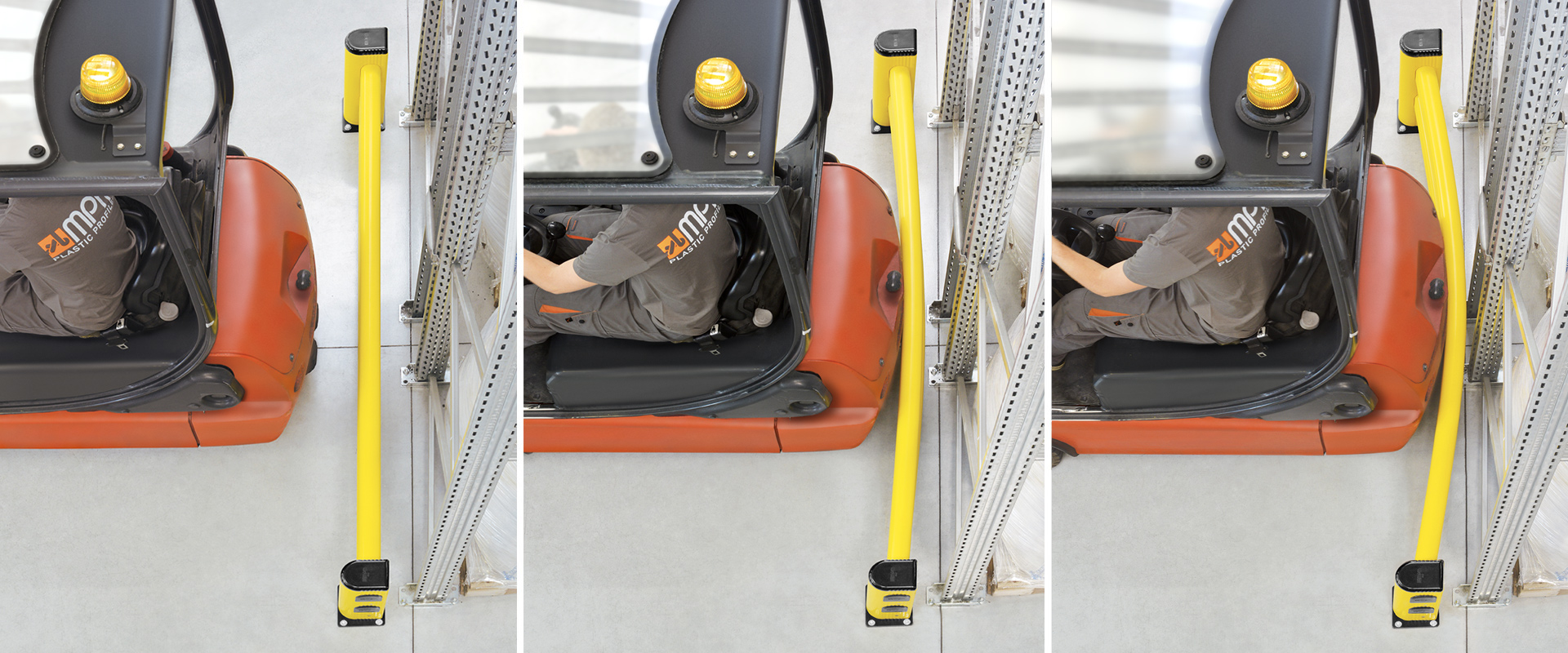
Metal barriers or Polymer Barriers?

If you’re reading this article, chances are you’re looking for the best way to improve safety in your facility. Whether you’re designing a new warehouse, upgrading an existing production area, or simply looking to better protect your people, equipment and infrastructure, choosing the right safety barrier is an important decision.


With so many solutions available on the market, understanding the differences between materials, technologies and applications can be challenging. The purpose of this guide is to help you navigate the available options, understand the advantages of each solution, and identify the protection system that best fits your facility.

METAL BARRIERS

Metal barriers are still the most common type of industrial protection around the world.

Steel has been the “default” material for industrial safety for decades and has become synonymous with the industry. As it is the material most architects and safety engineers are familiar with, steel is often the first choice.

Some people may be more susceptible to this kind of “historical inertia” and stick to what they know and already trust, and thus keep choosing metal over other types of solutions that might be more suited to a particular application. 

That said, there are legitimate reasons one should use steel barriers in certain occasions:

  • Durability: Metal or steel barriers can technically withstand higher impact forces, given their rigid structure. But even thought they can stop greater loads, this does not happen without significant collateral damages on the barrier itself and the surrounding floor. This resistance makes them ideal for stopping a single major impact, instead of stopping several smaller impacts like it usually happens in industrial settings. This is why they are commonly used in roadside applications and heavy-duty industries.
  • Resistance to outdoor agents: High-quality steel barriers can withstand UV radiations, temperature extremes and decades of weather exposure without without significant deterioration or a major loss of performance. The most prominent weakness they have is that they are prone to rusting, in case the protective layer of zinc commonly used in galvanized steel is eroded or damaged, and over long times they need to be regularly checked to ensure their structural integrity. 
  • Affordable cost: The initial cost of metal barriers is usually lower when compared to other types of solutions, like flexible ones. But this comes with a caveat: metal barriers are extremely prone to irreversible deformation upon impact. Each time they are struck, their rigidity makes permanent deformation highly likely and conseguently will need immediate subtitution. Given how often barriers are hit in an industrial setting, this can cause maintenance costs to balloon and ultimately result in a much higher overall investment.
metal barriers or flexible barriers

FLEXIBLE BARRIERS

In the great scheme of things, Flexible barriers, whether PVC-based like MPM’s or made from other polymer materials, are relatively new to the market. They have seen the light of day only recently, but have quickly become a standard feature in all modern warehouses. 

They present a wide range of distinct advantages over traditional steel protections, making them a smart long-term investment:

  • Impact Absorption: the main and most distinctive quality about these barriers is their flexibility. They are capable of absorbing multiple impacts without the need for replacement thanks to their elastic response to damage. This makes them the perfect solution for all industrial settings with great vehicular traffic. 
  • Protects Floor Fixings: when a forklift hits a traditional steel barrier, most of the impact energy is transferred directly to the floor anchors, tearing up the concrete. Flexible barriers dissipate kinetic energy within the polymer profile itself, minimizing mechanical stress on the anchor bolts and preserving floor integrity. 
  • Significant Long-Term Savings: the initial investment for flexible protections is higher compared to steel, but the Total Cost of Ownership is significantly lower. How come? Polymer barriers don’t rust, don’t require repainting and most of all don’t need to be replaced after each single impact, since their elastic structure can absorb the hit and then return to their original shape without any changes to their capabilities. This makes maintenance and repair costs incredibly manageable. 
  • Operator safeguard: the flexible nature of the barriers makes them capable of absorbing the impact in a controlled manner, cushioning the impact and thus preserving the safety of both the vehicle and the driver. With traditional metal barriers the energy in entirely transferred to the forklift and driver risking structural damage to the vehicles, operator injuries and displaced loads. 

WHY MPM?

MPM, after years of working in the field of plastics, chose to venture into the flexible barriers market and in just a few years thanks to their innovative approach to product desing and innovative mentality they became one of the top players in the market.

What’s the difference between MPM Barriers and Others?

  • Different materials: While most flexible barriers available on the market are manufactured from polyethylene (PE), MPM took a different approach by developing its products using a specially engineered PVC-based polymer.This choice was driven by the goal of achieving a better balance between flexibility, strength and long-term durability. The material has been specifically designed to absorb impacts efficiently while maintaining its structural integrity over time, allowing the barriers to return to their original shape after repeated collisions.
  • Save-spacing design: whereas most flexible barriers are on the market tend to be wider, but MPM chose another path. Thank to our choice of materials we have designed our protections to be more compact without compromising on their ability to absorb impacts effectively. This makes their operational footprint far smaller and helps you save invaluable space in your aisles and passages. 
  • UV exposure: One of the biggest weaknesses of many polymer barriers is their resistance to prolonged UV exposure. These types of barriers are often susceptible to discoloration after extended periods of direct sunlight. MPM has overcome this limitation with REFLEX Alpha, our innovative PVC-based polymer specifically developed to withstand extreme environmental conditions. Thanks to its advanced formulation, REFLEX Alpha offers outstanding UV resistance, maintaining both its appearance and mechanical properties even after long-term outdoor exposure.
  • V0 rating according to UL94: Another common concern with flexible polymer barriers is their behaviour in the event of a fire. Once again, MPM’s choice of material makes the difference. Our REFLEX polymer has achieved a UL94 V-0 fire classification, the highest rating within the vertical burn test. This means the material is self-extinguishing, does not promote flame propagation, and produces no flaming drips, providing an additional level of safety in industrial environments.

IN CONCLUSION


Metal barriers are ideal for roadside use and for really heavy-duty industries, where it is more important to stop a single really heavy impact.

Flexible protections give the best performance in warehouses and plants with heavy forklift traffic and other similar vehicles. In these settings, there is a need for continuous protection against frequent relatively light impacts, and this is where polymer barriers shine.

EUROSHOP

MPM celebrates the new year with the EUROSHOP exhibition in Dusseldorf. In four days we presented our solutions in the field of refrigeration and safety to visitors from all over the world. In particular, among our new 2020 products in the field of refrigeration, we presented shop fitting line which includes GR and GRIN products, and BEND80 patented line. In the field of safety, Cold Line is perfect for those in search of solutions suitable for negative temperatures. We also presented Bflex, the new MPM safety protection system with reinforced profile, followed by our new super bollard GRD 200. EUROSHOP 2020 represented a great success for us and an opportunity to confirm MPM as a leading company in the German’s market.

CLIMATIZACIÓN Y REFRIGERACIÓN

An important edition of “C&R”, the international benchmark event for the Refrigeration, Air Conditioning, Heating and Ventilation fields, especially as it was the first face to face event after the period of standstill caused by the pandemic.

The first exhibition of 2021 for MPM that introduced not only the entire hygenical profiles range for the field of Refrigeration, including the PLEX 100 and BUMPERS profiles but also the COLD LINE, a specific protection line for clean rooms and the food industry.

These important days allowed our team to compare themselves to other realities and to present solutions to the Spanish and international market.

Special thanks goes to the people that participated to C&R. It was a pleasure to see customers and suppliers again and to undertake new collaborations.

See you soon!
What barriers do I choose?

Safety barriers are one of the most common tools used to reduce these risks. But choosing the right barrier is not simply a matter of picking a product and installing it where it looks useful. The right solution depends on what you need to protect, how your facility operates and the specific risks present in each area.

In this guide, we’ll look at what safety barriers are, why they are used, the most common applications and the factors to consider when choosing the right solution for your warehouse or industrial facility.

WHAT IS A SAFETY BARRIER?

To give a truly “textbook” answer to this question: a barrier is anything that prevents, limits, or controls access to a hazard. 

The most commonly thought-about and popular are physical barriers, like the ones produced by MPM, whose job is to prevent accidents, protect structures, people and goods, and control access and movement by, literally, being physically present. In an industrial setting, where safety is a must and there is a truly staggering amount of movement of machines and goods, physical safety barriers are always a good investment, since they can minimize risks and absorb damage instead of what they are there to protect.

What are barriers for?

Barriers can truly have an infinite number of materials, forms, configurations, design philosophies and characteristics. Some can be made of wood, others of metal, and the most modern ones, like the ones MPM produces and exports all over the world, can be made with flexible polymers.

If you’re looking to purchase some type of barrier, the choice can seem daunting.

So here’s our suggestion: it’s easier to first identify the risk you aim to minimize and then look at what type of barrier best suits your needs.

Let’s first analyse the most common situations in which a barrier can (and should) be used:

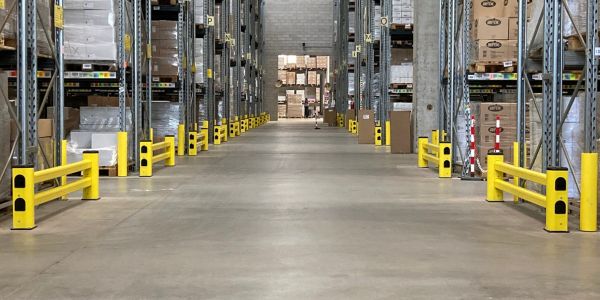
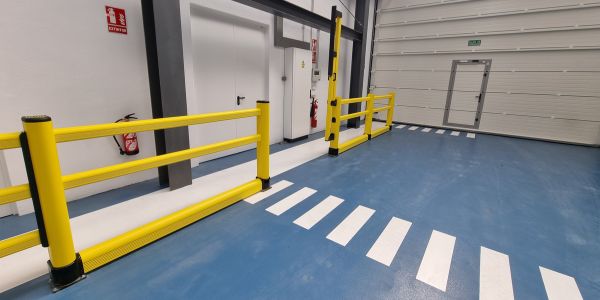
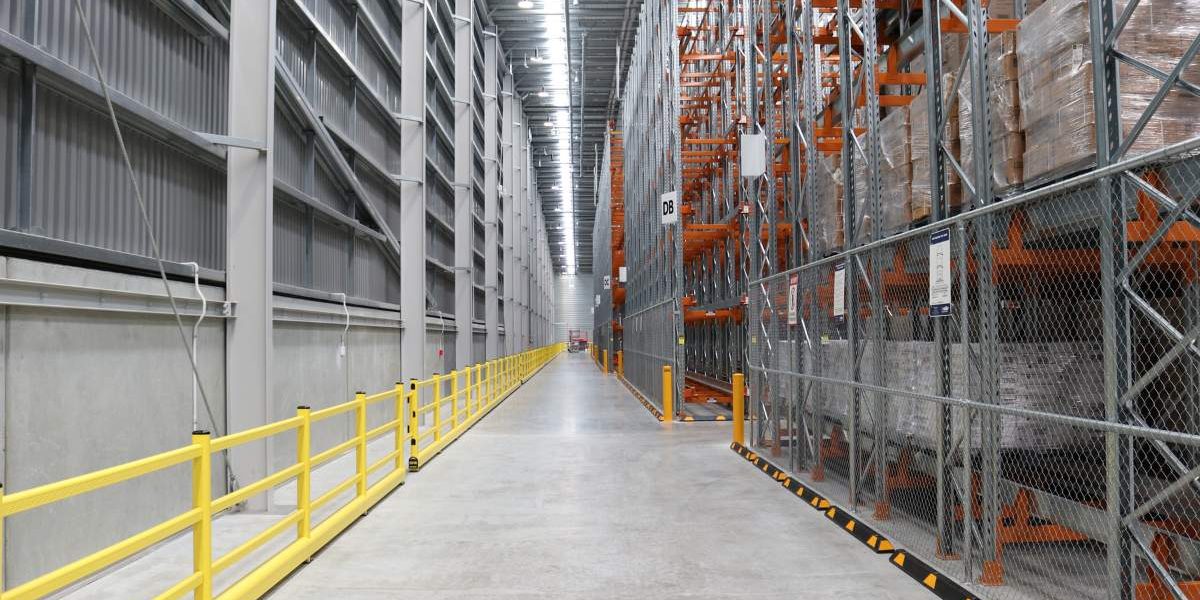
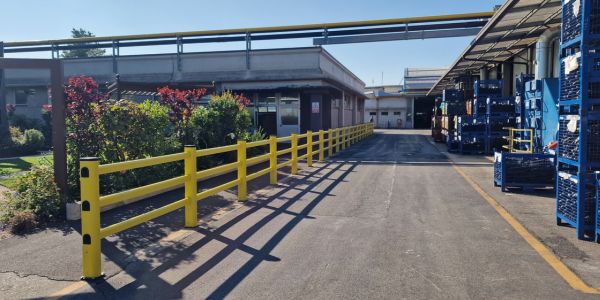
  • I want to reduce accidents: In industrial and warehouse environments, the interaction between forklifts, pallet trucks and pedestrians can create significant safety risks. Corners with low visibility, complex crossings, areas where both pedestrians and vehicles are present at the same time, just to name a few, are truly hotspots for potential accidents. Properly positioned safety barriers help organise these areas by separating vehicle and pedestrian routes, creating a clearer and safer flow of movement and helping prevent accidental collisions. Barriers can also be used to mark evacuation routes, prevent falls, and highlight important landmarks, such as doors and low passages.
safety barriers can protect pedestrians
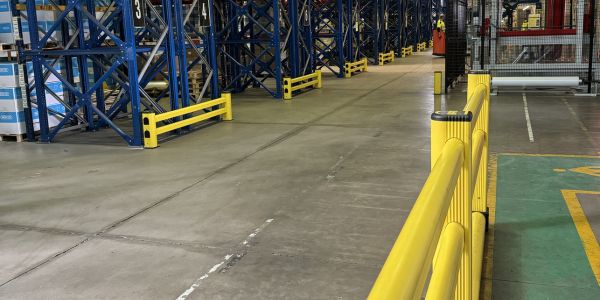
  • I want to protect my assets: Industrial facilities contain valuable infrastructure, machinery and stored goods that can be vulnerable to accidental impacts from forklifts and other material handling equipment. Safety barriers help absorb and deflect impact forces, protecting racks, machines and products while reducing the risk of costly damage and operational disruptions. Even better if protections are bright and easily visible, like MPM’s, because they can be seen from afar and give drivers and forklift users a visual cue to correct their behaviour before impact.
safety barriers are used to protect goods
  • I want to improve viability: In a busy warehouse, every movement matters. Obstructed views and poorly defined routes can increase the risk of collisions between vehicles, equipment and pedestrians. Strategically placed safety barriers help create clear boundaries and guide traffic, making the warehouse easier to navigate and reducing the chances of accidents. By improving visibility and clearly separating different areas, barriers help operators and pedestrians better understand their surroundings and anticipate each other’s movements.
safety barriers can improve viability
  • I want to avoid fines and legal consequences: Failing to address safety risks in an industrial environment can have significant consequences. Safety regulations and standards are becoming increasingly demanding, and companies are expected to take appropriate measures to identify and reduce potential hazards. Installing safety barriers can be an effective way to reduce the risk of accidents, protect people and assets, and demonstrate that appropriate preventive measures have been put in place.
safety barriers can help you avoid accidents

How do i choose barriers?

As we’ve seen, there are many reasons why a company may choose to install barriers. Once the specific risk has been identified, it is time to decide what exactly needs to be done, based on the way the warehouse operates.

A great number of factors go into defining the right barrier for your needs, including:

  • The area to be protected: racks, machinery, doors, pedestrian areas, corners, loading areas, etc.

  • The type and level of impact expected: from light contact to repeated impacts from forklifts or other vehicles.

  • The vehicles and equipment in use: forklifts, pallet trucks, AGVs, trolleys and other material handling equipment.

  • The available space: including the distance between traffic routes, machinery, racks and other obstacles.

  • Visibility and traffic flow: how easily operators and pedestrians can see and anticipate each other’s movements.

  • The environment: indoor or outdoor use, temperature, humidity, exposure to chemicals, UV radiation and other conditions.

  • The type of protection required: whether the priority is protecting people, structures, machinery, goods, or controlling access and movement.

  • The way the warehouse operates: the frequency of vehicle movements, pedestrian traffic and the specific activities carried out in the area.

  • Installation and maintenance requirements: how easily the barrier can be installed, inspected, replaced or adapted as the facility changes.

MPM will help you

Sounds complicated, doesn’t it?

Don’t worry, MPM is here to help.

Every warehouse and industrial facility is different, which is why we don’t believe in one-size-fits-all solutions. Our usual approach is to take the time to understand your requirements in detail and study the aspects that make your facility unique: how people and vehicles move, what needs to be protected, where the risks are and how your operations actually work.

We also arrange on-site visits at no cost, so our team can see the environment firsthand and better understand what is really needed.

Once we have a clear picture of the situation, we develop a solution around your specific requirements. Our offer is tailored to what your warehouse or facility actually needs, rather than simply adding products that may not be necessary.

And once the project is approved, we take care of the rest: from the final solution and configuration to the details needed to make your workplace safer and more functional.

Our goal is simple: to provide the protection you actually need, based on the way your facility works.

NEW UNI TECHNICAL REGULATION

2020 will be the year of change in Italy and among the world for the safety barriers Technical Regulation. For the second year, MPM together with a pool of technicians, chose to take part to the UNI standards activity. This is a great opportunity for MPM to contribute to the issue, as a manufacturing company and an expert in safety polymer solutions. In Italy, the Technical Report about safety solutions will be implemented from the second half of 2020. It will be very useful for companies and professionals as a technical guide that allows people to identify critical areas with high risk of collision and to make them safe with the best shock-proof, space-saver and flexible solution. In 2021, the Technical Report could be transposed into EU and international standards, thanks to the UNI works at the CEN (European Committee for Standardization) and the ISO (International Organization for Standardization). MPM full range of flexible solutions is the right answer for those who want to make their company safe!

LOGISTICS & AUTOMATION 2021

MPM reached the most important exhibition center in Spain for the second time this year: IFEMA that hosted “Logistics & Automation” in November, a great showcase for the latest innovations in the logistics field.

Two days of meeting and dialogues to present our resistant protections in REFLEX techno polymer to create safe conditions in the workplace.

The products of excellence continue to convince the Spanish market that demonstrated great interest and curiosity for our Flexible Protections.

ROAD TO…a successful 2022!
ELIS & MPM Protections: A Partnership for Safety

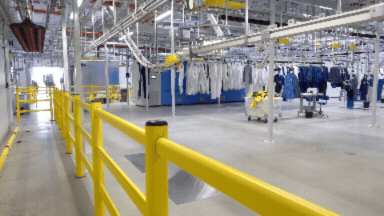
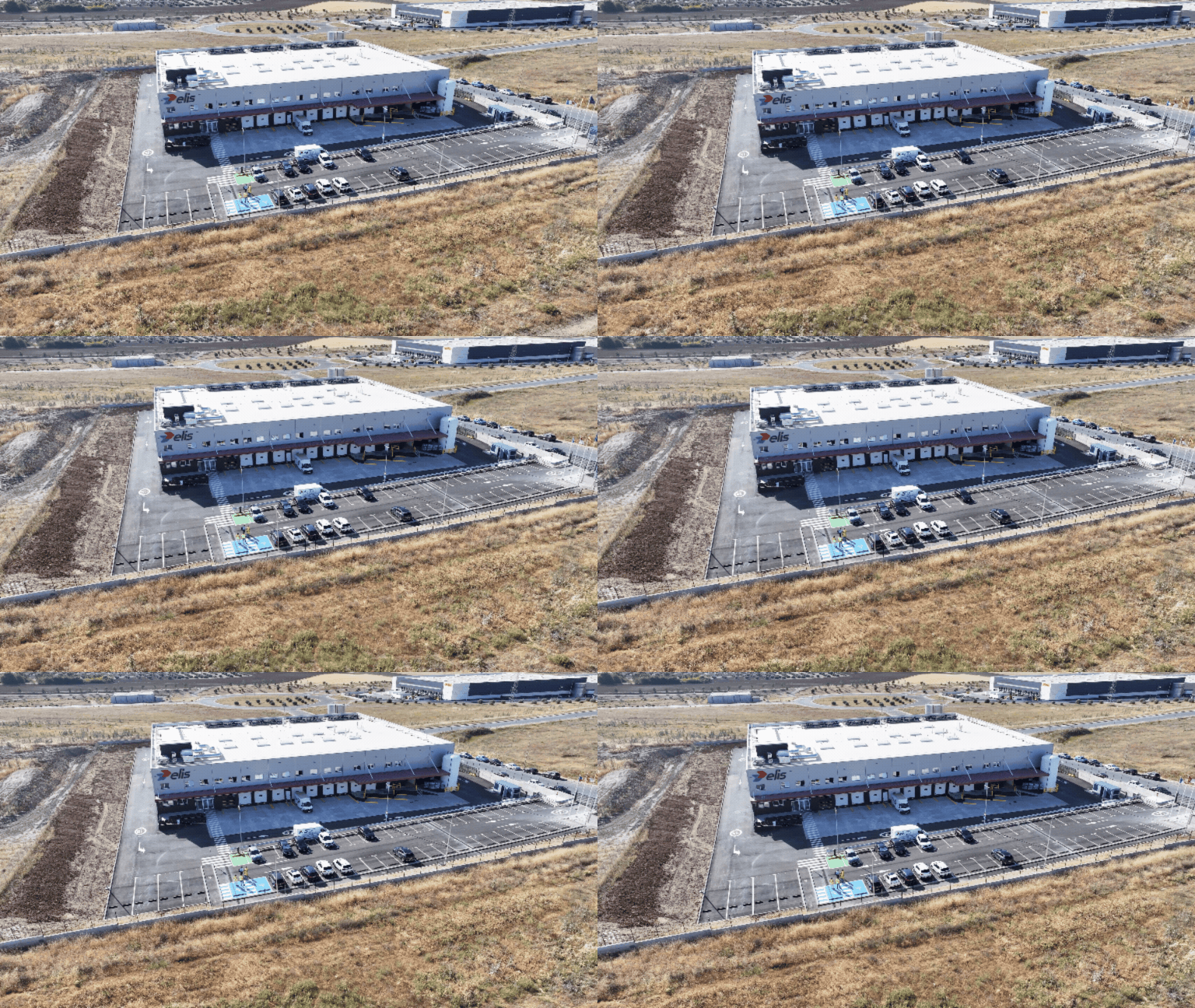
The collaboration between ELIS and MPM to secure the new MADRID SUR plant is a clear example of what happens when a company that truly cares about its workers’ safety partners with a supplier that knows how to listen and deliver solutions worthy of the project. Together, they turned this partnership into a genuine success story.

Getting to know ELIS

Elis is a multinational company operating in over 30 countries, specialized in textile rental and industrial laundry services. It offers a wide range of integrated services across multiple industries, from pest control and disinfestation to water supply management, as well as restroom hygiene products like toilet paper and air fresheners.

In Spain, Elis operates more than 38 sites dedicated to the company’s diverse range of services. Its newest facility, MADRID SUR, is located in Illescas and specializes in workwear rental for a variety of sectors, including food, healthcare, and industrial. Opened in summer 2026, the facility stands as a model of efficiency, processing more than 30,000 garments per day.

Elis proves every day that its workers’ safety is a top priority. That’s exactly why the company set out to find the best suppliers on the market, driven by its commitment to raising safety standards across its production area.

THE SAFETY PROJECT

MPM and Elis first met at the Spain Logistics trade fair in Guadalajara, and the connection was clear from the start. That initial handshake grew into a strategic partnership, resulting in a flawless installation at the Madrid Sur site that turned it into a benchmark for worker safety.

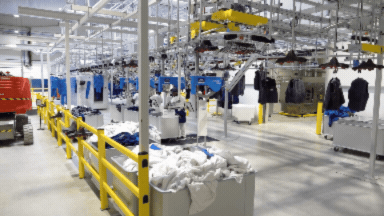
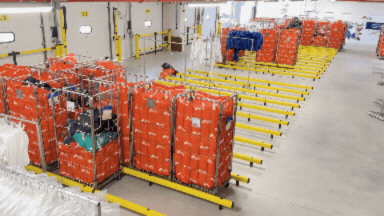
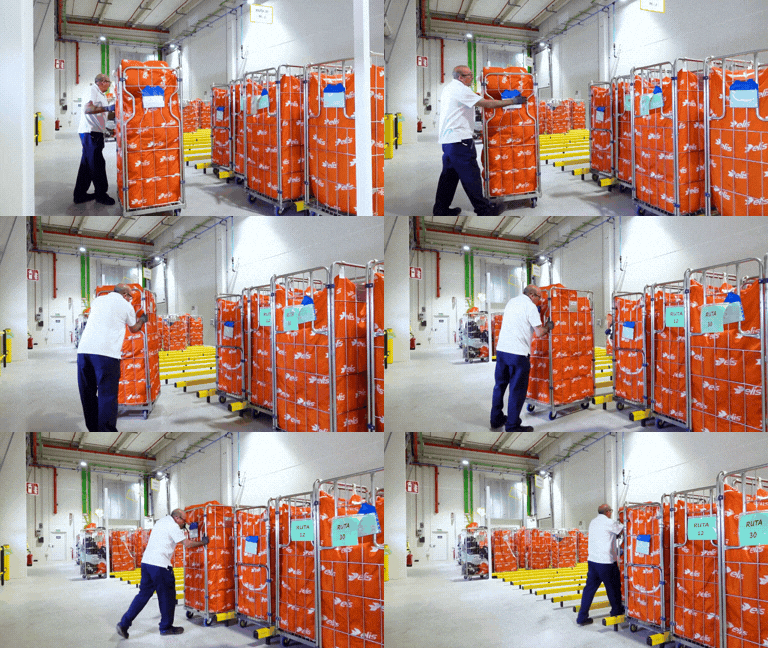
MPM’s barriers do more than protect industrial infrastructure and staff: they also play an active role in internal logistics, supporting the flow of incoming dirty linen and outgoing clean linen.

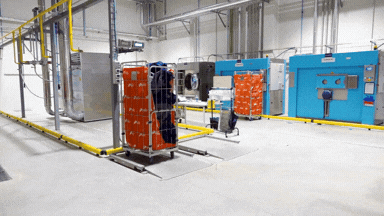
Specifically, MPM’s protections made it possible to set up a lane-based area for organized trolley placement, preventing specific risks such as hand entrapment. The result is an efficient process that ensures maximum protection across the work environment, right down to the smallest detail.

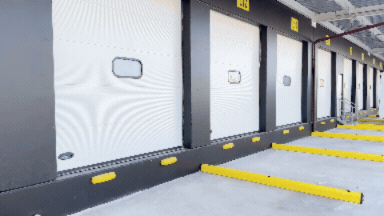
Among the various products used, a few played a particularly key role: Pedestrian 90 barriers to mark out pedestrian walkways, Lift Gate to control access to loading bays, and GR barriers to protect key structures.

Beyond showcasing Elis’s commitment to accepting zero risk when it comes to employee health, this project is proof of how the smart integration of MPM barriers can redefine and streamline workplace circulation.

The benefits of choosing MPM

Switching from plastic-deformation protection, typical of metal barriers, to elastic-deformation protection has allowed Elis to cut maintenance costs to virtually zero, since there’s no need for repainting or replacements.

Today, minor impacts, inevitable even in a well-organized environment like ELIS MADRID SUR, are no longer the issue they used to be with metal protections.

Elis was also impressed by the fire-resistant properties of our polymer. Classified V0 under the UL94 standard, our Reflex polymer protections are, by definition, “self-extinguishing”, meaning they don’t propagate flames and stop burning on their own once removed from the flame source.

MPM designs a custom solution for ELIS

MPM studies every project down to the smallest detail, always bringing a high level of customization to meet each client’s exact needs. The ELIS MADRID SUR project was no exception: to address one of the client’s specific requirements, we developed a truly one-of-a-kind solution.

The problem? In the areas used for receiving dirty loads and loading clean linen, laundry trolleys had repeatedly gotten caught on the metal protections.

To solve this, MPM and ELIS worked together on a tailor-made solution, increasing the height of our GR90 to create a version of the product with just the right height to keep trolleys moving freely, without obstruction.

And the result speaks for itself.

MPM tailors both its solutions and its approach to fully meet each partner’s needs, from active listening all the way to the design and delivery of a custom project by our technical team, whenever off-the-shelf products don’t perfectly fit specific requirements.

CONCLUSIONS

Overall, the results speak for themselves: Elis Madrid Sur is the first facility in the group worldwide to adopt this solution, and the outcome has been truly outstanding. Today, the site stands as a genuine benchmark, both for the multinational’s other locations and for new facilities currently in the design phase.

COVID-19 SITUATION

Dear Customers,
we are all carefully monitoring the spreading of COVID-19 all around the world. For this reason, our team actively implements all the measures to safeguard the health and safety of our employees and business partners, as requested by the competent authorities.

We want to assure all our valued customers that MPM team is here, ready to offer support and assistance. Our offices are now on smart working, receiving your orders and providing technical and business consultancy for your projects, with all available resources. Warehouses are operational and the Logistic department can ship goods.

For inspections and installations, do not hesitate to contact us! M.P.M. and the entire sales network can provide the necessary assistance even at a distance, offering you the best solution according to your needs. If it is not possible to access the construction site, we will support you through video calls, instructions and data sheets.

Our regular activity is still subject to the restrictions of safety measures, but our attention focuses on guaranteeing you the best service during this difficult moment and when your construction sites will reopen again.  

Even if we have to keep distances, we are always by your side
M.P.M. team

MECSPE 2021

In just three days, MECSPE, the exhibition dedicated to the manufacturing and 4.0 industry, was successful again!

The desire to return exhibiting at the fair can also be found in the record numbers reached by this 19th edition, held at BolognaFiere for the first time, which brought together more than 48.000 professionals of the field.

MPM introduced different solutions and exposed some new products like the MINI HUG TOWER, a compact custom column protection without fixing accessories. In addition, our WARNING BAR/LIGHT & SOUND was very successful: a new system protection designed to prevent forklifts collisions with overhead infrastructures or doorjambs.

Great satisfaction for the results obtained, for new important contacts found and for welcoming our consolidated customers.

As always, MECSPE represents not only an appointment between professionals but also a national reference point for industrial innovation!

Road to…MECSPE 2022!

THEY TALK ABOUT US

Muletti Dappertutto – one of the most important magazine dedicated to the forklift world – released a special edition in which they talk about our MPM industrial protections.

Which is the best way to protect the working areas, the employees and the forklifts? MPM will meet all these needs.

You can check out MPM New 2020 products by reading this article. In particular, the article presents BFlex, our new safety barrier which is more resistant to shocks thanks to its double profile! You can download here the pdf of the magazine nr.1-2020. You will find us at page 29 :

Hope you enjoy the reading!

NEW CERTIFICATION FOR MPM REFLEX

OUR POLYMER CONFIRMS THE V0 SELF-EXTINGUISHING CLASS

Among the various characteristics of REFLEX is that of self-extinguishing, which determines the V0 classification of our material according to the UL94 standard. In order to confirm this property, we had the REFLEX material tested by a third party, namely UL INTERNATIONAL itself, which performed the tests at the UL laboratory in Krefeld, Germany. The REFLEX was awarded the V0 rating, which is actually the highest achievable according to the UL V method.

What is class V0 and what does the test involve?

UL 94 is a flammability standard for plastics developed by UL – “Underwriters Laboratory” – which measures the fire behaviour of a material when exposed to flame. 

Specifically, the test involves placing the specimen in a vertical position using a clamp; then a flame is applied to the lower end of the specimen for 10 seconds.

The material is classified as V0 if it self-extinguishes within 10 seconds and does not show any flaming droplets.

The V0 rating is currently the best achievable, followed in order by grades V1 and V2.  Polymers such as PP and PE are even of class HB (Horizontal Burning), therefore 3 categories lower than REFLEX.

Unlike HB class polymers, RFELEX does not spread flames, thus helping to contain the fire.

NEW DESIGN: GRT 150

The end cup GRT 150 used for vertical posts with diameter 150mm,  changed design with a more attractive and remarkable bicolor surface.
Find it on our range for forklifts and heavy loads!
A brand new design & high performance for your flexible protection!

PLATES FIXP: 70 YEARS AND STILL YOUNG!

A GREAT RESULT FOR THE SALT SPRAY AND SALT FOG TEST

A few days ago MPM concluded the SALT SPRAY AND SALT FOG TEST, performed by a certification institution called Motivex Lab – an accredited test laboratory based in Avigliana (Turin, North Italy): here our galvanized and varnished FIX P 90 and FIX P 150 plates have reached and overcame 7000 hours of testing – which corresponds approximately to 70 years of life – without showing irreparable signs of corrosion!

The Salt Spray and Salt Fog Test is an accelerated corrosion test that produces a corrosive attack on coated samples in order to predict their resistance to weather conditions and their suitability for use as a protective finish over time.

The test has been performed according to the norm of reference: UNI EN ISO 9227: 2017 (NSS).

That’s why our protections are the perfect ally for making challenging workspaces safe in the long-term!